Lucknow: At the 7th International Conference on Environment and Society (ICES-2025), held at Khwaja Moinuddin Chishti Language University, Transport Minister Dayashankar Singh unveiled a significant policy shift aimed at curbing urban pollution and strengthening sustainable mobility across India. Inaugurating the conference, the minister highlighted how climate change has sharply intensified environmental challenges, particularly in major cities, and stressed the urgency of long-term corrective measures.
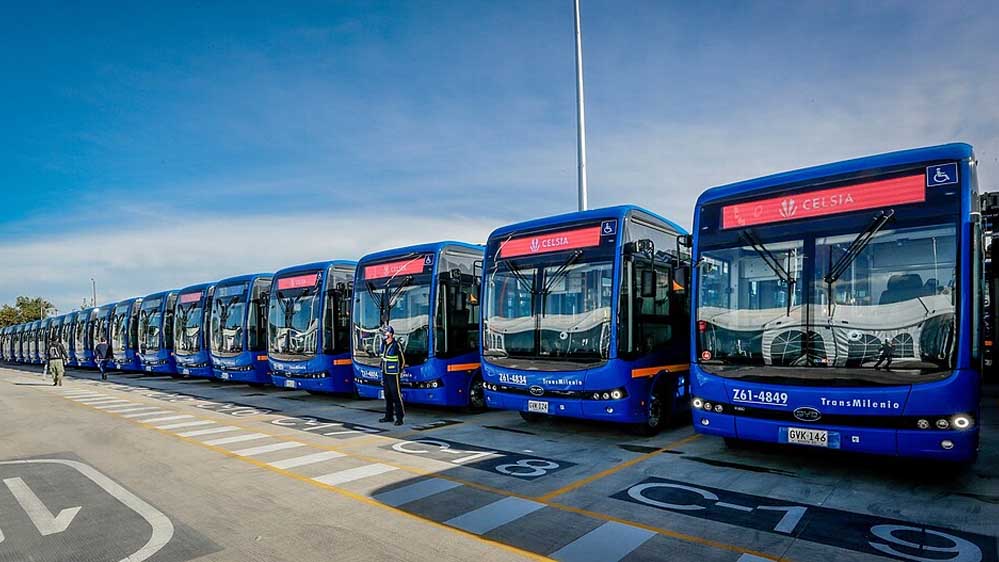
Singh noted that diesel-run buses remain one of the major contributors to urban air pollution, prompting the government to accelerate the transition toward electric mobility. He announced that the number of cities operating electric buses has risen from 15 to 43, marking a substantial expansion in the state’s green public transport network. He further declared that electric bus services will soon be extended to every district in the country, reaffirming the government’s commitment to cleaner air and sustainable infrastructure.
According to Singh, Lucknow’s improved air quality in recent months is directly linked to the growing fleet of electric buses operating in the city. “Small steps, taken consistently, can create transformative environmental impact,” he said, urging greater civic participation in green initiatives.
University Vice-Chancellor Prof. Ajay Taneja emphasized that global consensus on environmental protection has become indispensable. Welcoming experts from India and abroad, he said that securing a sustainable future would require cohesive efforts at local, national and international levels.
Uttar Pradesh Public Service Commission member A.K. Verma stressed that environmental sustainability rests on four pillars—global vision, national policy, local action and personal awareness—each of which must function in harmony for meaningful results.
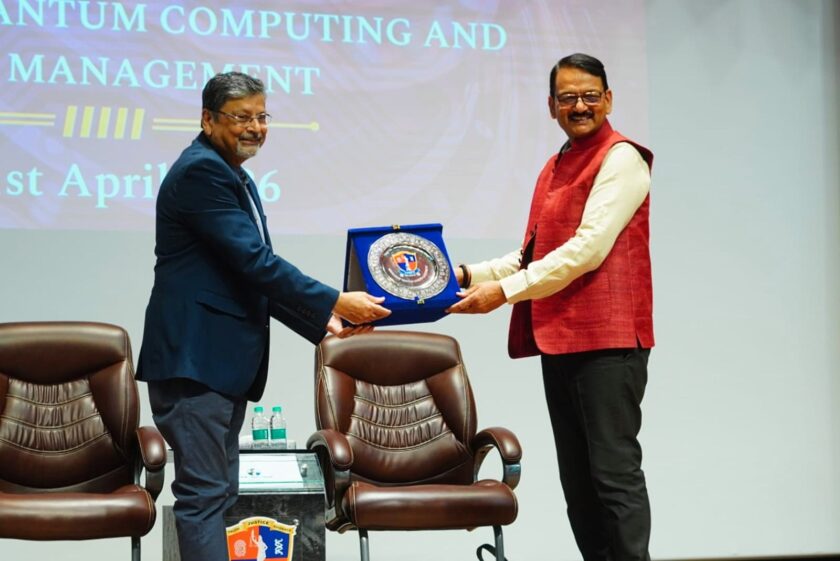
MD Gupta, president of the Glocal Environment and Association, called environmental protection an issue tied directly to the survival of humanity. During the event, a new Lifetime Achievement Award was instituted in memory of the association’s founder, Ramkumar Verma. This year, the honour was presented to Dr. Kshetrapal Gangwar. The Transport Minister was also conferred an honorary doctorate by American University for his contribution to sustainable transport initiatives.

The conference was jointly organised by the Language University, Zoological Society of India, National Cultural Heritage Conservation Lab, Uttar Pradesh State Biodiversity Board, American University, ECRD Council and JESA. The programme was coordinated by Dr. Nalini Mishra and Dr. Rajkumar Singh.
Only 30% of Fertilizer Reaches the Plant, Says US Scientist
Prof. Vinay P. Aneja of North Carolina State University delivered a compelling address on the environmental risks posed by excessive fertilizer use in agriculture. He stated that plants absorb only around 30% of the fertilizers applied, while the remaining 70% is wasted—ultimately harming the environment.
He warned that uncontrolled nitrogen exploitation has become a serious global threat. Over-use of ammonia-based fertilizers, he explained, is adversely affecting soil health, water quality and even the ozone layer. As climate change, population growth and urbanization intensify pressures on natural systems, strict measures will be necessary to restore nitrogen balance and protect ecological stability.